
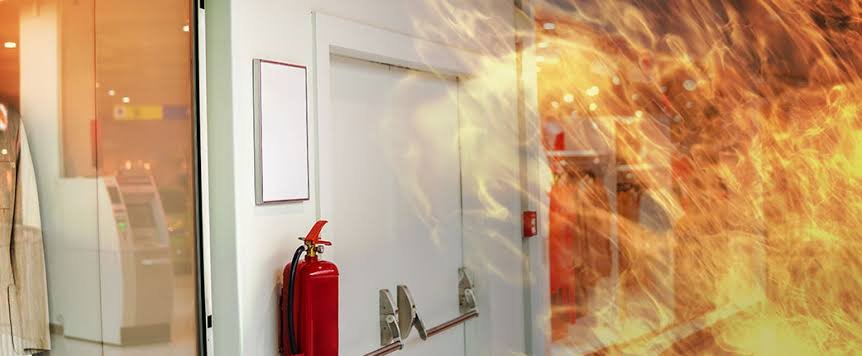
Fire safety is often associated with homes, kitchens, factories, and large commercial buildings. However, offices also need careful fire-prevention planning. An office may contain electrical equipment, computers, printers, paper files, furniture, kitchen appliances, batteries, and other materials that can contribute to a fire.
The importance of office fire safety becomes even greater when employees spend many hours inside the building every day. A small fire can quickly create smoke, panic, property damage, and disruption if people do not know how to respond.
Interestingly, good office fire-safety habits can also influence safety at home. Employees who learn how to recognize electrical hazards, keep escape routes clear, understand fire alarms, and respond calmly to emergencies can apply many of these principles to their families and homes.
For organizations in Pakistan, fire safety should be considered during building design, occupancy, maintenance, renovation, and daily operations. The Pakistan Engineering Council’s Building Code of Pakistan Fire Safety Provisions 2016 provides national fire-safety provisions covering issues related to fire prevention, life safety, and fire protection. The code is also referenced in Pakistan’s later building-code material for matters involving fire hazards and fire-protection systems.
Why Office Fire Safety Matters
Modern offices depend heavily on electricity. Computers, monitors, printers, photocopiers, chargers, air-conditioning systems, kitchen appliances, servers, and other equipment may operate for long periods.
At the same time, offices commonly contain combustible materials such as:
- Paper documents
- Cardboard packaging
- Furniture
- Curtains and decorations
- Cleaning materials
- Plastic products
- Electronic equipment
- Stored supplies
A fire can therefore develop from several different sources. The exact hazards depend on the type and size of the office, the building, the equipment installed, and how the space is used.
The first step is not simply buying fire extinguishers. Effective fire safety involves prevention, early detection, warning, evacuation, emergency planning, equipment maintenance, and employee awareness.
1. Start With a Fire-Risk Assessment
Every office should begin by identifying its potential fire hazards.
A basic assessment should consider where a fire could start, what materials could burn, how people would become aware of the emergency, and how occupants would reach a safe location.
Important areas to examine include:
- Electrical rooms
- Server rooms
- Kitchens and tea areas
- Storage rooms
- Printing areas
- Workshops or maintenance spaces
- Parking and generator areas
- Battery or charging areas
- Corridors and stairways
The assessment should also consider people who may require additional assistance during an evacuation.
Fire safety is not identical for every office. A small single-floor office and a multi-story corporate building can have very different risks and evacuation requirements.
2. Keep Electrical Equipment in Good Condition
Electrical problems are an important consideration in office fire prevention.
Computers and other office equipment should be maintained properly, while damaged cables, plugs, sockets, extension equipment, and electrical appliances should not be ignored.
Employees should report signs such as:
- Damaged cables
- Burning smells
- Unusual heat
- Sparks
- Repeated electrical interruptions
- Damaged sockets
- Unusual noises from equipment
Electrical systems should be inspected and maintained by appropriately qualified personnel.
NFPA 70, the National Electrical Code, addresses electrical design, installation, and inspection requirements intended to help reduce electrical hazards. Local requirements and the applicable authority should always be considered for a particular building in Pakistan.
3. Avoid Overloading Electrical Circuits
Offices can gradually accumulate electrical equipment.
A workstation may have a computer, monitor, printer, charger, desk lamp, fan, and other devices. When multiple pieces of equipment are connected without proper consideration of the electrical installation, the resulting load can become a concern.
Instead of adding connections whenever more equipment is needed, organizations should have electrical requirements assessed by qualified professionals.
Power strips and extension equipment should be used appropriately and should not become a substitute for a properly designed electrical installation.
4. Install and Maintain Fire Detection
Early detection can provide valuable time for people to respond to a fire emergency.
A properly designed fire detection system may include smoke detectors, heat detectors, manual call points, audible notification appliances, visual indicators, control panels, and other components depending on the building.
NFPA 72 provides guidance and requirements concerning the installation, inspection, testing, and maintenance of fire alarm and signaling systems.
A Fire alarm system in Pakistan should not be considered complete simply because the equipment has been installed. It needs appropriate inspection, testing, maintenance, and prompt attention to faults.
The exact requirements depend on the building, occupancy, system design, applicable regulations, and equipment specifications.
5. Never Ignore Fire Alarm Faults
An alarm panel showing a fault or trouble indication should not simply be silenced and forgotten.
A fault may indicate a problem with a detector, circuit, power supply, battery, communication path, or another component.
Office management should have a clear procedure for:
- Identifying the fault.
- Reporting it to the responsible person.
- Arranging appropriate technical assessment.
- Completing necessary repairs.
- Confirming that the system has returned to normal operation.
- Recording the corrective action.
Pakistan Engineering Council’s professional registration information specifically includes installation, commissioning, and maintenance of fire detection, alarm, and suppression systems as a recognized engineering specialization.
Specialized fire-alarm work should therefore be assigned to appropriately qualified professionals.
6. Keep Fire Extinguishers Accessible
Fire extinguishers can form an important part of an office’s fire-protection arrangements, but their usefulness depends on proper selection, placement, maintenance, and accessibility.
Employees should never block extinguishers with:
- Furniture
- Boxes
- Files
- Office equipment
- Decorations
- Temporary storage
Extinguishers should be visually identifiable and maintained according to applicable requirements and manufacturer instructions.
Employees should also receive appropriate awareness training so they understand the office’s emergency procedures. Any response to a fire should prioritize personal safety and evacuation rather than attempting to control a fire that is beyond safe capabilities.
7. Keep Escape Routes Clear
One of the simplest office fire-safety measures is also one of the most important: keep escape routes clear.
Corridors, stairways, exit doors, and access routes should not become storage areas.
Common problems include:
- Boxes placed in corridors
- Furniture near exits
- Files stored on stairways
- Equipment blocking doors
- Unnecessary decorations obstructing signs
- Locked or difficult-to-use exit routes
NFPA life-safety guidance emphasizes maintaining usable and identifiable exit paths.
Office managers should regularly inspect escape routes rather than assuming they will remain clear.
8. Check Emergency Lighting and Exit Signs
A fire may occur during a power interruption or in conditions where normal lighting is unavailable.
Emergency lighting and exit signs can help occupants identify evacuation routes.
Maintenance checks should consider:
- Failed lights
- Damaged signs
- Obstructions
- Battery or backup-power problems
- Changes to office layouts
- Visibility from occupied areas
If an office is renovated or furniture is rearranged, exit signs should still remain visible.
9. Maintain Fire Doors
Fire doors can play an important role in controlling the movement of fire and smoke within a building when they are correctly designed, installed, and maintained.
Office staff should not permanently wedge open doors that are intended to provide fire separation.
Doors should also be checked for visible damage and problems with their hardware or closing function.
A damaged fire door should be reported so that it can be assessed and repaired appropriately.
10. Keep Kitchens and Break Areas Safe
Many offices have kitchens, tea areas, or small employee refreshment spaces.
These areas may contain:
- Electric kettles
- Microwave ovens
- Refrigerators
- Coffee machines
- Toasters
- Other electrical appliances
These appliances should be used and maintained appropriately.
Combustible materials should not be unnecessarily placed near heat-producing equipment. Employees should also follow the organization’s procedures for shutting down equipment and reporting damaged appliances.
11. Pay Attention to Server and IT Rooms
Server rooms can contain significant electrical equipment and may require special fire-protection considerations.
These areas should be kept clean and organized, with appropriate temperature control and electrical maintenance.
Unnecessary storage should not be allowed to accumulate around IT equipment.
Any fire-detection, suppression, electrical, or environmental protection system serving a server room should be maintained according to its design and applicable requirements.
12. Keep Storage Areas Organized
Storage rooms can become fire hazards when combustible materials accumulate without proper control.
Paper, cardboard, packaging, furniture, and other combustible materials should be stored in an organized manner.
Good storage practices can help by:
- Reducing unnecessary combustible materials
- Keeping electrical equipment accessible
- Preventing blocked exits
- Making inspections easier
- Improving housekeeping
- Supporting emergency response
Offices should also avoid using stairways, electrical rooms, or other inappropriate areas for general storage.
13. Maintain Generators and Backup Power
Many offices in Pakistan use generators or other backup power arrangements to continue operations during electrical interruptions.
These systems require appropriate maintenance.
Generator areas should be kept organized and managed according to applicable safety requirements. Fuel-related arrangements should also be handled appropriately.
Emergency power systems are important because fire alarms, emergency lighting, communications, and other critical systems may depend on reliable electrical supply.
NFPA 110 addresses emergency and standby power systems, including power sources, transfer equipment, controls, and related equipment.
The exact requirements for an office should be determined according to its installed system and applicable local requirements.
14. Train Employees
A fire alarm is only useful if employees understand how to respond when it activates.
Fire-safety awareness should explain:
- What the alarm means
- Where emergency exits are located
- Where to assemble
- How to report an emergency
- What to do if a normal exit is blocked
- Why elevators may not be appropriate during certain emergencies
- How to assist visitors
- Why people should not return to an unsafe building
New employees should receive fire-safety orientation, while existing employees should receive periodic refresher training.
15. Practice Emergency Evacuation
People often behave differently during real emergencies than they expect.
Regular evacuation exercises can help employees become familiar with escape routes and emergency procedures. They can also reveal problems that may otherwise remain unnoticed.
For example, a drill might identify:
- A blocked corridor
- Poorly visible exit signage
- Confusion about assembly areas
- Problems with communication
- Employees unfamiliar with emergency procedures
- Difficulties assisting visitors
The purpose of an exercise is not simply to record attendance. Management should review the results and correct identified problems.
16. Establish an Assembly Area
Employees should know where to go after leaving the building.
An assembly area should be identified as part of the office emergency plan and should be located appropriately for the site.
The organization should have a process for accounting for employees and visitors without creating additional hazards.
People should not automatically return to the building simply because they believe the situation has improved. Re-entry should follow the direction of the responsible emergency authorities.
17. Include Visitors and Contractors
Fire-safety planning should cover everyone inside the office, not only permanent employees.
Visitors may not know:
- Where exits are located
- What the alarm sounds like
- Where the assembly area is
- Which routes are available
Reception and security staff can play an important role in helping visitors understand emergency arrangements.
Contractors working on renovation or maintenance should also follow the organization’s fire-safety procedures.
18. Control Temporary Fire Hazards During Renovation
Office renovations can introduce temporary hazards.
Activities involving electrical work, construction materials, temporary wiring, equipment changes, or other modifications should be managed carefully.
Most importantly, fire-protection systems should not be taken out of service without an appropriate assessment and controlled process.
Pakistan’s building-code material specifically recognizes fire hazards associated with construction, extension, repair, alteration, and changes involving fire suppression, sprinkler, and alarm systems.
Before a renovation begins, management should understand how the work could affect fire detection, evacuation routes, fire doors, electrical systems, and other safety measures.
19. Keep Fire-Safety Records
Documentation helps organizations manage fire safety systematically.
Useful records may include:
- Fire alarm inspections
- Equipment servicing
- Extinguisher maintenance
- Emergency-light testing
- Fire-drill records
- Staff training
- Electrical inspections
- Identified defects
- Corrective actions
- Renovation-related safety reviews
Records can also help identify repeated problems.
For example, if the same alarm zone repeatedly develops faults, maintenance records can help management recognize that a deeper investigation may be necessary.
20. Make Fire Safety Part of Everyday Office Culture
Fire safety should not be something employees think about only during an annual inspection.
Small daily habits can make an office safer.
Employees can help by:
- Keeping corridors clear
- Reporting electrical problems
- Keeping fire equipment accessible
- Avoiding unnecessary combustible storage
- Following kitchen safety procedures
- Knowing their nearest exits
- Taking alarms seriously
- Participating in safety training
Management has an equally important role. Employees are more likely to follow safety procedures when management treats fire safety as a genuine operational responsibility.
How Office Fire Safety Can Improve Home Safety
The title of this article connects office safety with the home for a simple reason: many fire hazards exist in both environments.
The lessons employees learn at work can be applied at home.
For example, people can become more aware of:
- Electrical overloading
- Damaged cables
- Blocked exits
- Smoke detection
- Fire alarms
- Kitchen hazards
- Emergency planning
- Safe storage
- Family evacuation plans
A person who understands why an office exit must remain clear may be more likely to keep a home’s escape route clear as well.
Likewise, learning the importance of a properly maintained Fire alarm system in Pakistan can encourage greater awareness of smoke detection and fire-warning systems at home.
A Simple Office Fire-Safety Checklist
Organizations can use this basic checklist as a starting point:
- [ ] Identify major fire hazards.
- [ ] Keep electrical systems properly maintained.
- [ ] Inspect fire alarm equipment.
- [ ] Investigate alarm faults promptly.
- [ ] Keep fire extinguishers accessible.
- [ ] Keep corridors and exits clear.
- [ ] Check emergency lighting.
- [ ] Maintain exit signs.
- [ ] Inspect fire doors.
- [ ] Keep storage areas organized.
- [ ] Maintain kitchen appliances.
- [ ] Review server-room risks.
- [ ] Maintain backup power systems.
- [ ] Train employees.
- [ ] Practice evacuation procedures.
- [ ] Establish an assembly area.
- [ ] Include visitors and contractors in emergency planning.
- [ ] Document inspections and repairs.
- [ ] Review fire safety after renovations.
Conclusion
Office fire safety begins with awareness, but it cannot stop there. A safe workplace requires a combination of prevention, detection, maintenance, training, emergency planning, and responsible daily habits.
For offices in Pakistan, fire-safety arrangements should reflect the building’s design, occupancy, equipment, hazards, applicable requirements, and advice from qualified professionals.
A properly maintained Fire alarm system in Pakistan can provide an important early-warning layer, but it should work as part of a broader fire and life-safety strategy. Fire extinguishers, emergency lighting, clear escape routes, fire doors, electrical maintenance, staff training, and evacuation planning all contribute to preparedness.
Most importantly, office fire safety can influence everyday habits outside the workplace. When people learn to recognize hazards and respond responsibly at work, they can carry that awareness into their homes and communities.
For professional fire-safety solutions and support in Pakistan, visit Flame Defender.
Frequently Asked Questions
1. Why is office fire safety important?
Office buildings can contain electrical equipment, paper, furniture, kitchen appliances, storage materials, and other potential fire hazards. Good fire-safety planning helps reduce hazards, support early warning, and prepare occupants to evacuate safely.
2. What is the role of a fire alarm system in an office?
A fire alarm system is designed to detect or receive indications of fire conditions and warn occupants so they can follow the building’s emergency procedures. Its effectiveness depends on suitable design, installation, inspection, testing, maintenance, and prompt correction of faults.
3. How often should an office fire alarm system be checked?
The appropriate inspection and testing frequency depends on the installed system, applicable requirements, manufacturer instructions, and the building’s circumstances. Specialized testing and maintenance should be performed by appropriately qualified personnel.
4. What should employees do when a fire alarm sounds?
Employees should follow the organization’s emergency procedures, leave using an appropriate safe exit, proceed to the designated assembly area, and follow instructions from responsible personnel and emergency responders. They should not delay evacuation to collect personal belongings.
5. Can office fire-safety practices help improve home safety?
Yes. Many principles are relevant to both workplaces and homes, including maintaining clear escape routes, recognizing electrical hazards, using fire detection, planning emergency procedures, and taking fire alarms seriously.